


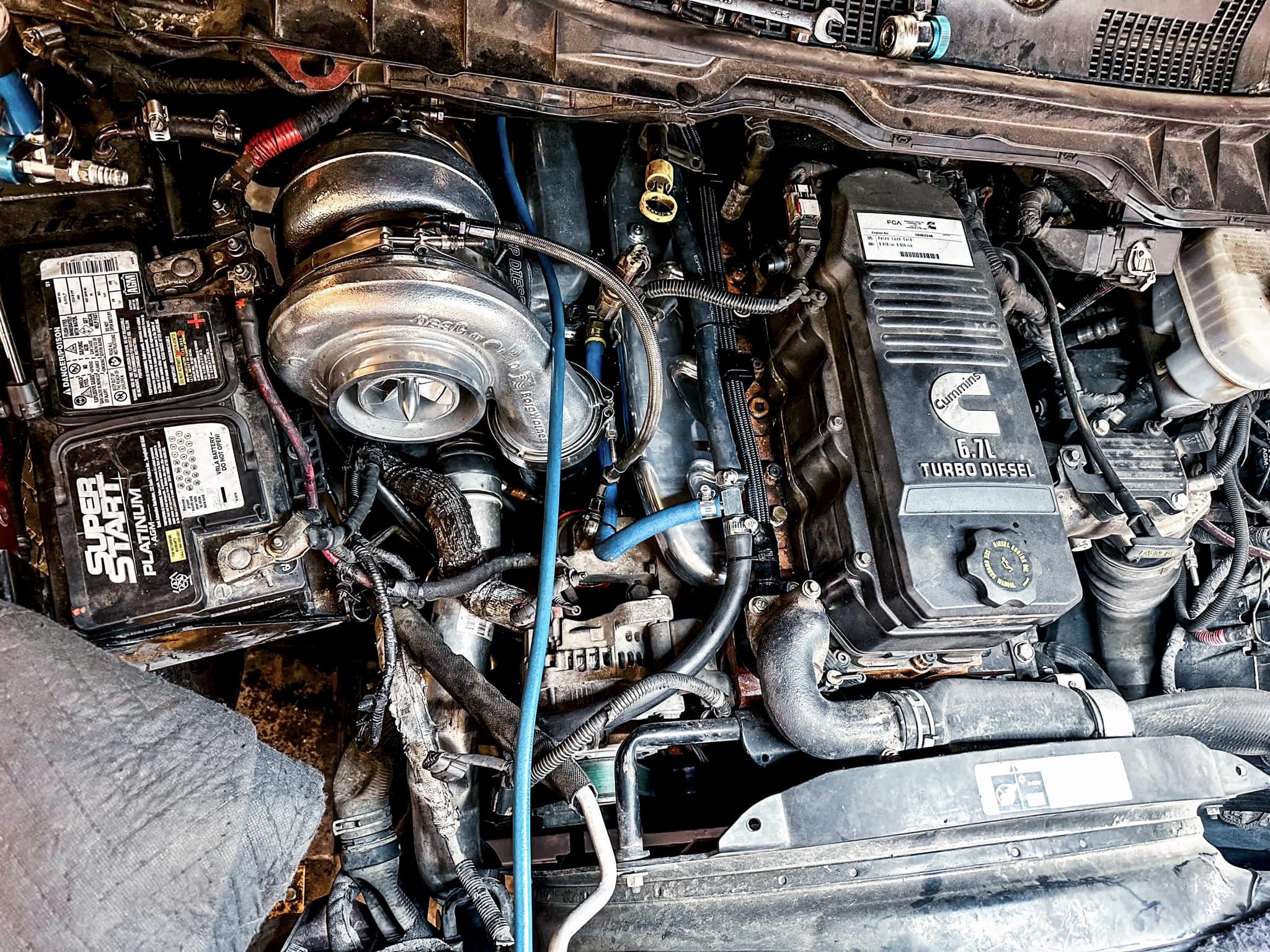
October Maintenance Priorities for Fleets Running I-85, I-75, and I-95
October gives Southeast fleets a chance to catch summer heat damage before fall freight schedules expose weak components. Here are seven maintenance priorities for trucks running I-85, I-75, and I-95 through the Carolinas and Georgia.
October may be on the calendar, but summer has not exactly packed its bags across the Southeast. Trucks running I-85, I-75, and I-95 can still face warm pavement, heavy freight schedules, congestion, and long operating hours while carrying months of accumulated heat-related wear.
That makes October less about winterization and more about finding problems summer left behind. A focused fleet preventive maintenance inspection can catch cooling, tire, brake, electrical, and trailer issues before they turn into roadside downtime during busy fall operations.
Why Does October Fleet Maintenance Matter on I-85, I-75, and I-95?
October temperatures remain high enough for heat-related problems to matter. Charlotte's 1991–2020 normal October average maximum is 82.8°F, and October 13, 2026, reached 91°F against a normal high of 84°F.
At the same time, these interstates carry substantial commercial traffic. Georgia identifies I-75 between Atlanta and Chattanooga as one of its most freight-intensive long-haul corridors, while I-85 north of Atlanta and I-95 near Savannah also play major roles in truck movement and distribution.
For regional distribution fleets, refrigerated carriers, tractor-trailers, box trucks, vocational vehicles, and port-related operations, October creates a useful maintenance checkpoint between peak summer heat and cooler fall conditions.
1. Inspect the Heavy-Duty Cooling System
Start with the heavy-duty cooling system because late-season heat can still expose marginal components. Check coolant level and condition, radiator surfaces, hoses, clamps, belts, the water pump area, fan operation, and visible signs of leakage.
Reduced coolant performance, restricted airflow, a failing fan clutch, or a weak water pump can increase the risk of overheating, particularly during low-speed traffic where natural airflow decreases.
Watch for:
- Repeated coolant top-offs
- Rising operating temperatures
- Coolant residue near fittings or hoses
- Fan-related faults
- Damaged radiator fins or airflow restrictions
- Cracked, glazed, or loose belts
For fleets dealing with Charlotte traffic, Greenville-Spartanburg deliveries, or metro Atlanta congestion, those warning signs deserve attention before the next loaded run.
2. Check Commercial Truck Tire Pressure and Wear
Months of hot pavement and interstate mileage can leave tires showing problems that were less obvious earlier in summer. Inspect steer, drive, and trailer positions rather than stopping at the tractor.
Proper commercial truck tire pressure matters, but pressure alone does not tell the whole story. Look for irregular shoulder wear, unusual tread patterns, cuts, casing damage, embedded debris, sidewall concerns, and differences between tires on the same axle.
A October inspection should also flag tires approaching your fleet's replacement thresholds. Catching accelerated wear in the yard beats finding it beside I-85 with a loaded trailer.
3. Perform a Thorough Air Brake Inspection
High-mileage interstate work, frequent deliveries, and urban congestion can place substantial demand on a truck's braking system. Your October air brake inspection should cover friction components and the air system that activates them.
For drum-brake-equipped trucks, inspect brake shoes or linings, drums, chambers, pushrods, slack adjusters, S-cams, and air lines.
Pay attention to air leaks, brake warnings, abnormal stopping behaviour, uneven wear, or components showing excessive heat.
These checks become especially important for trucks transitioning between open interstate cruising and repeated braking around major freight centres such as metro Atlanta.
4. Test the Truck Battery and Charging System
Summer heat can be tough on electrical components, and battery weakness may not become obvious until operating conditions change. October gives you an opportunity to identify marginal batteries before cooler mornings make slow cranking harder to ignore.
A proper truck battery and charging system check should include battery condition, terminals, cable connections, charging voltage, alternator output, and starting-system performance.
Investigate slow cranking, intermittent voltage faults, corroded terminals, loose cables, charging warnings, and unexplained electrical issues instead of waiting for a no-start.
5. Inspect Diesel Engine Belts and Hoses for Heat Damage
Rubber components spend the summer cycling through heat, pressure, vibration, and thousands of highway miles. By October, small signs of deterioration can become useful early warnings.
Check diesel engine belts and hoses for cracking, glazing, soft spots, swelling, chafing, damaged clamps, and leakage around connection points. Inspect nearby systems for engine oil, coolant, transmission fluid, power-steering fluid, or hydraulic leaks as applicable.
Do not overlook a small leak because the truck still runs normally. Repeated heat cycles and vibration can turn a minor seep into a larger fluid-loss problem on the next interstate run.
6. Include Trailer Preventive Maintenance
A well-maintained tractor cannot make up for a neglected trailer. Fleets that regularly swap trailers should make trailer preventive maintenance part of the same October inspection cycle.
Inspect:
- Electrical connectors and wiring
- Marker, brake, and turn lights
- Trailer ABS warnings
- Air lines and gladhand connections
- Suspension components
- Tires and wheel ends
- Landing gear
- Doors, hinges, and latches
Trailer faults can be particularly disruptive for regional distribution operations because a problem may follow the trailer across several tractors and drivers before anyone addresses the underlying cause.
That matters along I-95 as well, where Georgia freight planning identifies the corridor as important for both through-truck traffic and goods moving into and out of the Savannah freight network.
7. Review Fleet Maintenance Scheduling and Deferred Repairs
The final October priority happens as much at the desk as it does in the shop. Review your fleet maintenance scheduling against mileage, engine hours, manufacturer intervals, inspection reports, diagnostic history, and repairs deferred during peak summer utilization.
Look for patterns rather than isolated work orders. Recurring diagnostic trouble codes, repeated coolant additions, recurring air leaks, tire wear on the same axle position, or the same driver complaint appearing week after week can signal a problem that deserves deeper diagnosis.
Preventive maintenance works best when fleets identify developing faults before a breakdown occurs. Regular fluid checks, brake evaluations, tire inspections, and scheduled service can reduce unscheduled downtime and help extend component life.
Which Southeast Freight Corridors Deserve Extra Attention?
I-85 fleet maintenance deserves particular focus because the corridor links important manufacturing and distribution areas through the North Carolina Piedmont, Greenville-Spartanburg, and metro Atlanta.
In Georgia, I-85 connects metro Atlanta with South Carolina and remains important enough that GDOT freight planning has identified additional corridor capacity and interchange improvements among freight priorities. I-75 similarly carries major Atlanta-to-Macon and Atlanta-to-Tennessee freight movements.
I-95 adds a different operating profile. Long-haul traffic, coastal distribution, and Savannah-connected freight mean tractors and trailers can accumulate substantial mileage without spending much time at their home terminal.
Schedule October Fleet Maintenance Before Small Problems Become Downtime
October is a practical time to catch the problems summer created while your trucks are still working in warm Southeast conditions. Cooling-system weakness, irregular tire wear, brake concerns, marginal batteries, deteriorating hoses, trailer faults, and deferred repairs rarely become cheaper after another month of hard running.
If your fleet operates along I-85, I-75, I-95, or surrounding Southeast freight routes, our team at Southeast Fleet Services can help you build a preventive-maintenance plan around your equipment, utilization, and service intervals. Just give us a call at 704-633-0311 today.
Frequently Asked Questions
What should fleets inspect first after a hot summer?
Start with cooling systems, tires, brakes, batteries, belts, and hoses. These components operate under substantial heat, pressure, load, and mileage during summer and can reveal developing problems during a October inspection.
Is October too early to test truck batteries?
No. October is a useful time to identify batteries or charging-system components weakened during hot-weather operation. Testing them before temperatures drop can reveal marginal components before they cause starting problems.
Should trailer tires be included in a fleet tire inspection?
Yes. Inspect steer, drive, and trailer tires. Trailer tires can develop irregular wear, pressure problems, casing damage, or tread concerns just like tractor tires, particularly on high-mileage regional routes.
Why should fleets review recurring fault codes during preventive maintenance?
Recurring fault codes can reveal problems that were cleared or deferred without addressing the underlying cause. Reviewing diagnostic history alongside driver reports and previous repairs can help maintenance teams identify patterns before they lead to downtime.
Is October fleet maintenance the same as winter preparation?
Not necessarily. In North Carolina, South Carolina, and Georgia, October can remain warm. The immediate priority is finding summer-related heat and mileage wear while gradually preparing equipment for the cooler mornings and wider temperature swings that arrive later in fall.
Locations & Contact Info
Welcome to Southeast Fleet Services, your premier heavy-duty diesel repair shop in North Carolina, South Carolina, and Georgia. Give us a call today at one of our five locations to set up specialized services and repairs for your heavy-duty vehicles and equipment.