


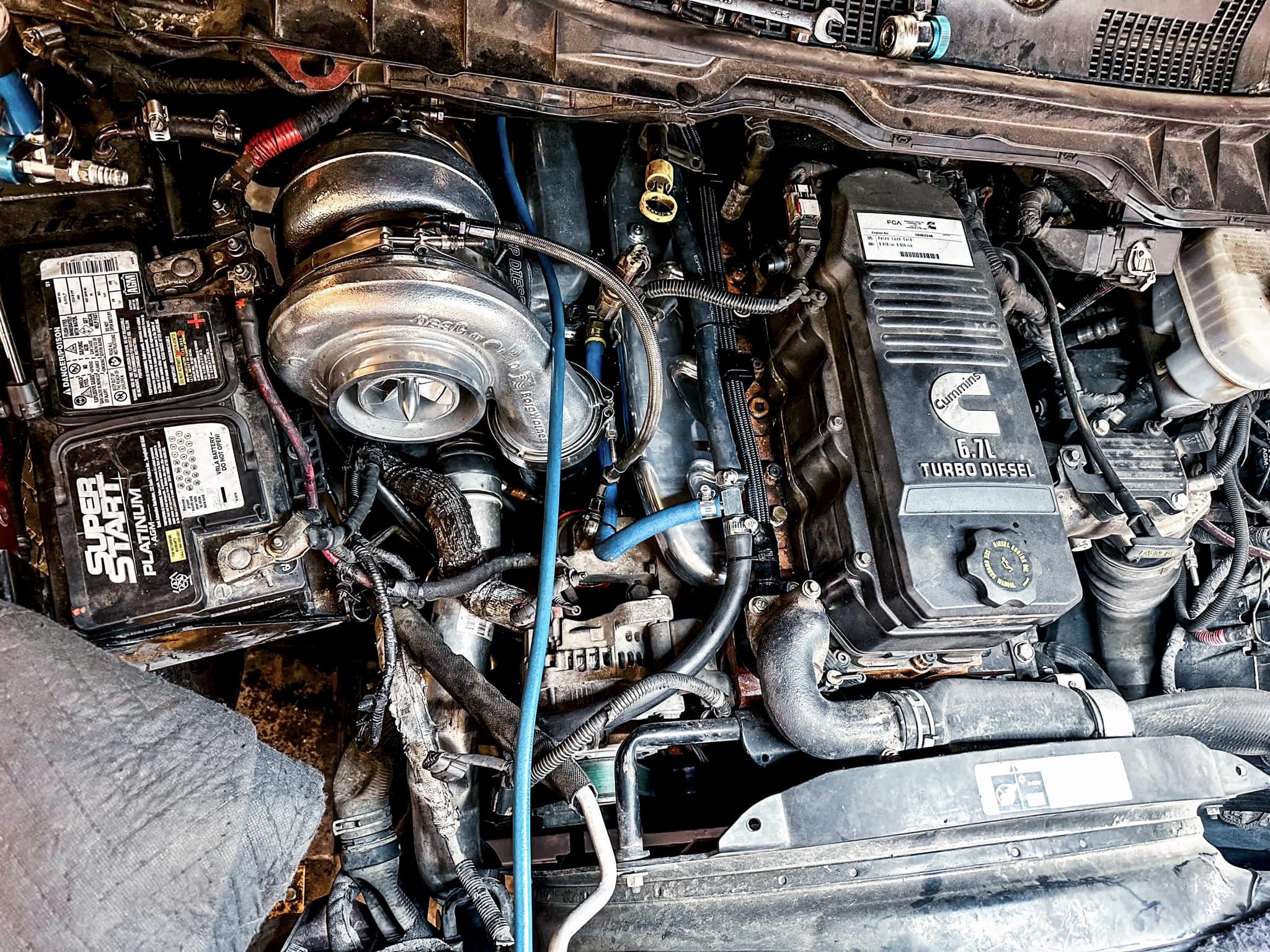
How Check Engine Light Diagnostics Help Diesel Truck Owners Avoid Costly Repairs
A diesel truck’s check engine light is more than a warning—it’s an early signal of deeper issues. This guide explains why prompt diagnostics matter, how faults escalate, and how proper testing prevents costly repairs, downtime, and performance loss.
A warning light on a diesel truck shouldn't be ignored. In modern heavy-duty vehicles, the check engine light connects to diagnostic systems that detect issues affecting engine performance and emissions. It often appears before drivability problems cause breakdowns, giving owners and managers a chance to fix it early.
That early warning is crucial because diesel engines rely on a tightly linked system of electronic and mechanical parts. Fuel delivery, air intake, exhaust treatment, engine temperature regulation, and lubrication all depend on sensors, control modules, and properly functioning components. When a part of this system fails, the truck may continue to run for a while, but it usually operates less efficiently and risks causing secondary damage.
Therefore, check engine light diagnostics are not just about clearing a code. They focus on identifying the root cause of a fault before it leads to derates, reduced fuel efficiency, costly repairs, or unexpected downtime. When performed properly, diesel diagnostics help truck owners make informed repair decisions instead of relying on guesswork.
Why The Check Engine Light Matters On A Diesel Truck
Heavy-duty diesel trucks rely on onboard diagnostic systems to monitor emissions-related components and other electronically controlled functions. The United States Environmental Protection Agency mandates malfunction monitoring for heavy-duty vehicle emission control systems, which is one reason warning lamps are so vital in modern trucks. When the system detects a fault, the warning lamp aims to prompt service before the issue worsens.
Manufacturers highlight this point in their service literature. Cummins describes the check engine lamp as a warning to seek service soon, while its fault information and INSITE diagnostic tools are designed specifically to interpret fault codes and guide troubleshooting. In other words, the lamp indicates the need to begin a proper diagnostic process, not to deliver a final diagnosis on its own.
That distinction is important. A fault code can show which system has a problem, but it doesn't always mean a specific component has failed. A sensor reading outside its normal range might be caused by wiring issues, contamination, restricted flow, low pressure, heat problems, or failure in another part of the system. Formal diesel fault code diagnosis helps tell the difference between symptoms and causes, preventing unnecessary parts replacement.
What Professional Diesel Diagnostics Actually Involve
Effective diesel engine diagnostics start with electronic fault retrieval, but they do not stop there. A complete process typically involves reading active and inactive codes, reviewing live engine data, evaluating sensor values, verifying operating conditions, and performing a physical inspection or follow-up testing as needed. Cummins describes its INSITE platform as a tool that performs engine diagnostics, displays electronic engine information, and reduces troubleshooting time and the risk of incorrect procedures through step-by-step guidance.
That methodical approach matters because a diesel truck functions as a connected system. The engine control module oversees engine performance and fuel efficiency, while sensors and control logic influence how the engine and emissions systems respond to real-world conditions. A proper ECM diagnostics process, therefore, examines the truck as a whole rather than treating a single code as an isolated issue.
When diagnostics are performed professionally, owners gain two main benefits. First, repairs become more accurate because the fault is confirmed rather than guessed. Second, repairs are more affordable because the technician is less likely to replace good parts just to “chase” the problem. This often makes the difference between a controlled repair visit and an expensive cycle of recurring issues.
Fuel System Faults Can Escalate Quickly
The fuel system is one of the first areas where an unresolved warning light can become costly. Diesel engines rely on precise fuel injection to support combustion. In the handbook, fuel injectors are described as components that spray atomized diesel fuel into the cylinders, and the ignition process depends on the fuel injection system functioning properly as the engine turns over.
If a fuel-related fault occurs, the truck may exhibit symptoms such as hard starting, poor throttle response, rough running, reduced power, or stalling. The same handbook also notes that if the fuel pump fails to deliver fuel to the rail and injectors, the engine will not produce power and may stall. This makes fuel system diagnostics especially important when the check engine light appears along with drivability issues.
From a cost perspective, delay is where problems start. A truck that runs poorly but still moves might tempt an owner to delay service. However, incomplete combustion, poor fuel delivery, or a related control issue can add extra stress on injectors, turbocharger operation, aftertreatment performance, and overall engine efficiency. Early proper diagnosis helps prevent that chain reaction.
Emissions And Aftertreatment Problems Can Trigger Derates
Many diesel check engine events involve the aftertreatment system, and these issues can quickly become expensive. Heavy-duty trucks rely on emissions-control components such as EGR, DOC, DPF, SCR, and DEF dosing systems to reduce harmful pollutants. The EGR system reduces combustion temperature to lower NOx; the DPF system traps diesel particulate matter and requires cleaning via regeneration; and the SCR system uses DEF dosing to convert NOx into nitrogen and water vapor.
These are active components that rely on sensors, temperature control, fluid quality, dosing accuracy, and successful regeneration events. The DPF captures particulate matter, while the DOC and SCR work together in the aftertreatment system to reduce emissions. SCR systems using DEF can cause power loss or shutdowns during faults, which is why manufacturers and regulators take these warnings seriously.
The operational consequence is clear: a warning light related to emissions equipment can escalate from a service reminder to reduced engine power, mandatory regeneration, or other limitations. For example, Cummins lamp guidance states that a flashing DPF lamp, along with a warning or check engine lamp, may require immediate parking and regeneration, and could result in automatic power reduction.
That is why aftertreatment diagnostics are so important. A technician can identify whether the problem involves a failed sensor, poor DEF quality or dosing, unsuccessful regeneration, thermal imbalance, or a system restriction. Addressing the correct issue quickly is much less costly than letting repeated faults cause damage or shut down the truck.
Cooling And Lubrication Faults Can Lead To Severe Engine Damage
Not every check engine event is directly related to aftertreatment. Some warnings indicate operating conditions that threaten the engine itself. Heavy-duty coolant systems transfer heat from the engine to the radiator, with the water pump circulating the coolant and the fan clutch helping control airflow at low speeds. The handbook explains that overheating is often caused by issues such as a malfunctioning fan clutch, a blocked radiator, or a failed water pump.
Lubrication faults are just as serious. Engine oil isn't only a lubricant; it is also pressurized and directed to vital internal parts like crankshaft bearings. Oil cooling helps prevent the engine from overheating. A loss of oil pressure can cause catastrophic engine failure if the truck continues to run.
These issues show why quickly fixing the truck's warning light is about more than just convenience. Catching a sensor or pressure problem early might require specific service and checks. If ignored, the same issue can lead to overheating, bearing damage, or costly internal engine repairs. In diesel service, the cost difference between early diagnosis and late failure can be significant.
Why Waiting Usually Costs More
Owners sometimes delay diagnostics because the truck is still operating, and the warning light hasn't caused a shutdown yet. That approach can be costly. Preventive maintenance for heavy trucks emphasizes identifying and addressing potential problems before they lead to major repairs or failures, reducing downtime and saving money in the long run.
The same principle applies here. A fault that starts as an intermittent warning could later impact regeneration, fuel efficiency, power output, or engine temperature. By the time the issue becomes noticeable from behind the wheel, other components might already be under strain. What could have been a targeted diagnostic visit might then turn into towing, missed loads, emergency repairs, and a bigger repair bill.
For trucks operating across Spartanburg, Augusta, Richburg, Charlotte, and Salisbury, that risk is increased by long regional routes, unpredictable traffic, and tight schedules. Downtime in a multi-state area affects dispatch reliability, customer commitments, and vehicle availability simultaneously. Precise diesel truck diagnostics help manage that risk by turning a warning into a planned repair instead of an operational disruption.
What Truck Owners Should Do When The Light Comes On
A formal response should begin with an observation. If the check engine light turns on, observe whether the truck also exhibits reduced power, a rough idle, difficulty starting, smoke, overheating, regeneration issues, or fluid problems. These operational symptoms can help narrow down the diagnosis and provide useful information to the technician.
The next step is to quickly schedule service and have the fault evaluated through a structured diagnostic process. Manufacturer diagnostic platforms and fault information systems exist for a reason: they help reduce troubleshooting errors and support accurate repair decisions. Clearing the code without finding the cause may temporarily turn off the light, but it doesn't fix the actual problem.
Most importantly, owners should resist the urge to assume the warning lamp is self-explanatory. A code indicates a problem area; it does not replace the testing needed to determine why the fault occurred. A disciplined diagnostic process remains the most reliable way to prevent misdiagnosis, repeat failures, and unnecessary costs.
Final Thoughts
The check engine light is one of the most valuable early warning tools on a modern diesel truck. It can signal faults involving fuel delivery, emissions systems, cooling performance, lubrication pressure, or electronic controls long before the truck suffers a complete breakdown. When check engine light diagnostics are performed properly, they help owners identify the true source of the problem, protect critical components, reduce downtime, and avoid the far higher cost of delayed repairs.
For fleets and owner-operators moving equipment across Georgia, South Carolina, and North Carolina, timely diagnostics are more than just a maintenance preference; they are a practical way to ensure reliability and control repair costs. To catch warning lights before they cause major failures, contact Southeast Fleet Services for expert diesel diagnostics in Spartanburg, Augusta, Richburg, Charlotte, and Salisbury.
Locations & Contact Info
Welcome to Southeast Fleet Services, your premier heavy-duty diesel repair shop in North Carolina, South Carolina, and Georgia. Give us a call today at one of our five locations to set up specialized services and repairs for your heavy-duty vehicles and equipment.