


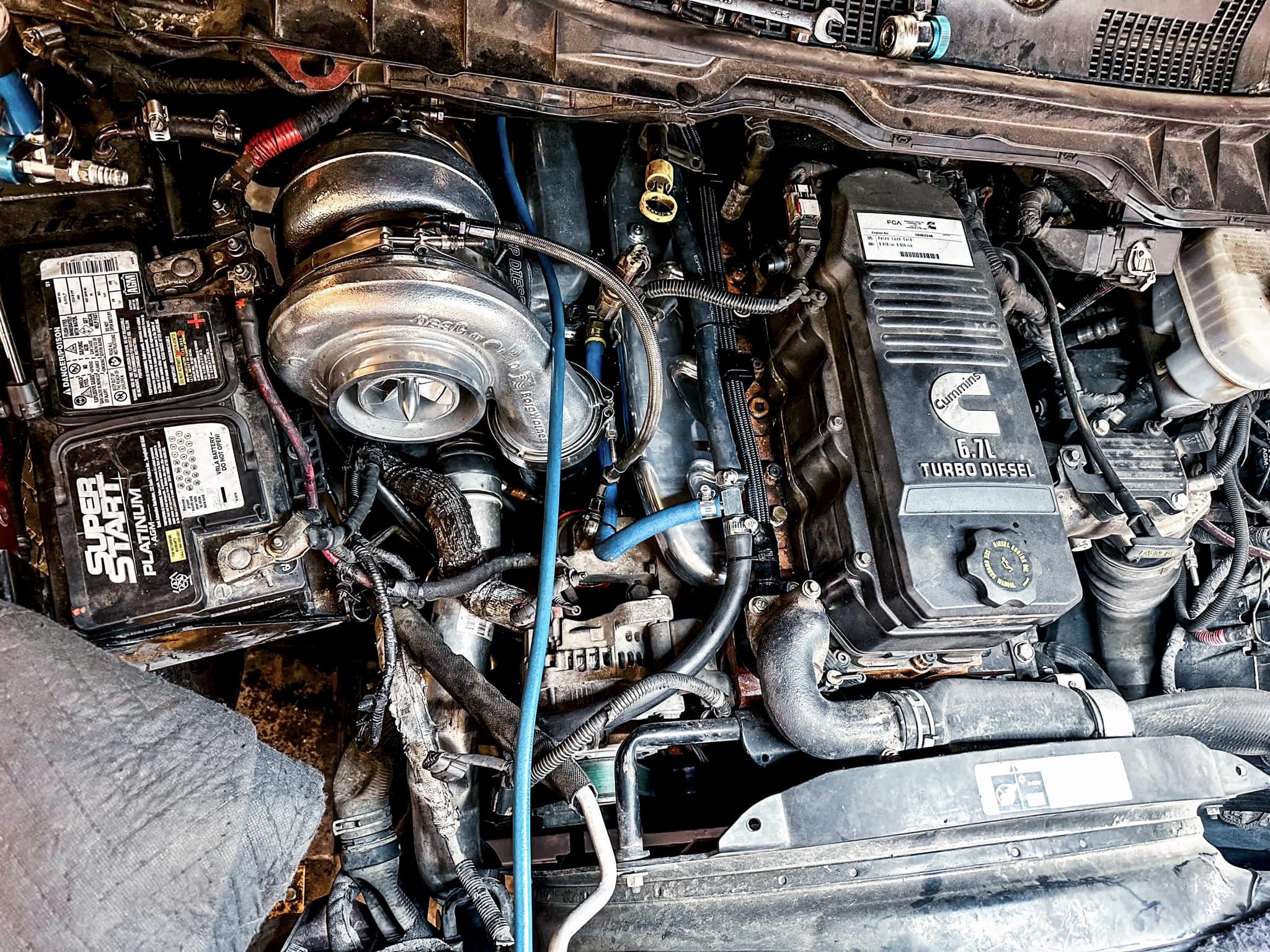
Guide to Diesel Truck Diagnostics: Common Issues & What to Expect
Learn what to expect during diesel truck diagnostics, including common engine, turbo, and aftertreatment issues.
When your diesel truck throws a fault code or just doesn’t feel right, the last thing you need is guesswork. Whether it’s a loss of power, a no-start issue, or a check engine light you can’t figure out, every minute spent diagnosing the problem is time off the road and lost revenue.
At Southeast Fleet Services, we make it our business to know diesel engines inside and out. So we thought we’d unwrap what really happens during diesel truck diagnostics, what common issues we see, and how to stay ahead of major repairs before they cripple your operation in North Carolina.
What Are Diesel Truck Diagnostics?
It’s easy to think that diagnostics are just about turning off the lights on your dash. But the truth is, diagnostics involve more than plugging in a code reader and clearing the light. It’s a deep, layered process that checks electronic control modules (ECMs), sensor feedback, and live engine data to identify both current issues and emerging problems.
A proper diesel diagnostic includes:
- Full ECM scans (engine, transmission, ABS, aftertreatment)
- Fault code history and freeze frame data
- Live data stream analysis
- Component testing (injectors, turbo, sensors, etc.)
- Electrical testing (voltage, continuity, resistance)
And it's not just the engine. We also look at aftertreatment systems, brake controllers, and powertrain health.
Top 7 Common Issues Found During Diagnostics
1. Check Engine Light with No Obvious Symptoms
We know you’ve seen this before. A check engine light with no drivability issues. But here’s the catch: just because you don’t know what the problem is, it doesn’t mean it’s harmless. ECMs often detect early-stage issues—like a lazy EGR valve, MAP sensor, or fuel rail pressure fluctuation—long before you notice performance loss.
What to expect: We’ll pull freeze frame data, check DTCs (diagnostic trouble codes), and use live data to confirm or rule out component failure.
2. Turbocharger Underperformance or Lag
Ever step on the accelerator only for your rig to react slowly? Yeah, if you notice poor acceleration, reduced boost, or increased exhaust smoke, your turbo system may be the culprit. A sticking VGT actuator, boost leaks, or clogged EGR components could cause this.
What we check:
- Boost pressure vs. command
- Actuator calibration and travel range
- Exhaust backpressure levels
- Intake leaks using smoke testing
3. Hard Starts or No-Start Conditions
If it’s cold, you’ve likely had your share of no-starts. These usually stem from fuel delivery issues, low compression, or failing glow plugs. Cold starts in North Carolina winters can make these problems even worse.
Diagnostic process includes:
- High- and low-pressure fuel system checks
- Glow plug resistance testing
- Crankshaft vs. camshaft correlation tests
- Battery load and starter draw testing
4. Aftertreatment System Failures
Modern trucks with DPF and SCR systems are notorious for issues. This is especially the case if regen cycles are ignored or sensors go bad. You may see a derate, loss of power, or DEF system warnings.
What we diagnose:
- DPF soot level and regen history
- DEF injector operation
- NOx sensor readings
- EGR cooler flow rate
We also determine whether forced regeneration or a full DPF cleaning is needed.
5. Electrical Gremlins
We love electrical gremlins. Whether it’s poor grounds, shortened harnesses, or corroded connectors, these issues are common, particularly in trucks that work in wet, salty conditions. North Carolina’s coastal and rainy climate exacerbates these issues.
How we find it:
- Pinpoint testing using wiring diagrams
- Voltage drop analysis
- Connector integrity inspection
- Oscilloscope waveform testing
6. Transmission Faults
Diagnostics go beyond just engine trouble. Delayed shifting, slipping, or harsh gear changes can indicate solenoid issues, fluid breakdown, or even a failing TCM (transmission control module).
Testing includes:
- Live shift data vs. programmed logic
- Line pressure testing
- Fluid condition and contamination screening
- Module software and calibration check
7. Engine Derates & Limp Mode
When a truck goes into limp mode, it’s trying to protect itself. Aftertreatment problems, low fuel rail pressure, or turbo errors tend to trigger your rigs. Knowing what caused the derate is crucial to getting back on the road safely.
What we analyze:
- Derate level and root cause
- Sensor readings that triggered the event
- ECM software logic and override capabilities
What You Can Expect at Southeast Fleet Services
When you bring your truck in, we treat it like our own—because downtime isn’t just inconvenient, it’s a profit killer.
Our diagnostic approach includes:
- Rapid ECM scans with OEM-level software
- Diesel-specific diagnostic equipment
- In-bay live testing with simulated load
- Road testing is needed to confirm real-world symptoms
- Full report with prioritized repair recommendations
How to Avoid Repeat Failures: Proactive Diagnostics
Want to reduce unexpected breakdowns? Don’t wait for the dash to light up. We offer preventive diagnostic services that track system trends, like:
- Turbo response over time
- Injector balance rates
- Soot accumulation rates
- Battery health under crank loads
This lets you fix minor issues before they become major repairs.
Don’t Ignore What Your Diesel Truck is Telling You
Diagnostics isn’t just about fixing what’s wrong today. It’s about seeing what might go wrong tomorrow. As modern diesel truck systems grow more complex, having a trusted shop with deep diagnostic capabilities is your best defense against breakdowns.
Need Diesel Diagnostics You Can Trust?
Whether your fleet runs up I-95 or serves rural routes across North Carolina, Southeast Fleet Services has the tools and technicians to keep your trucks running strong. From mystery codes to major derates, we’ll get to the root of the problem—fast.
Locations & Contact Info
Welcome to Southeast Fleet Services, your premier heavy-duty diesel repair shop in North Carolina, South Carolina, and Georgia. Give us a call today at one of our five locations to set up specialized services and repairs for your heavy-duty vehicles and equipment.