


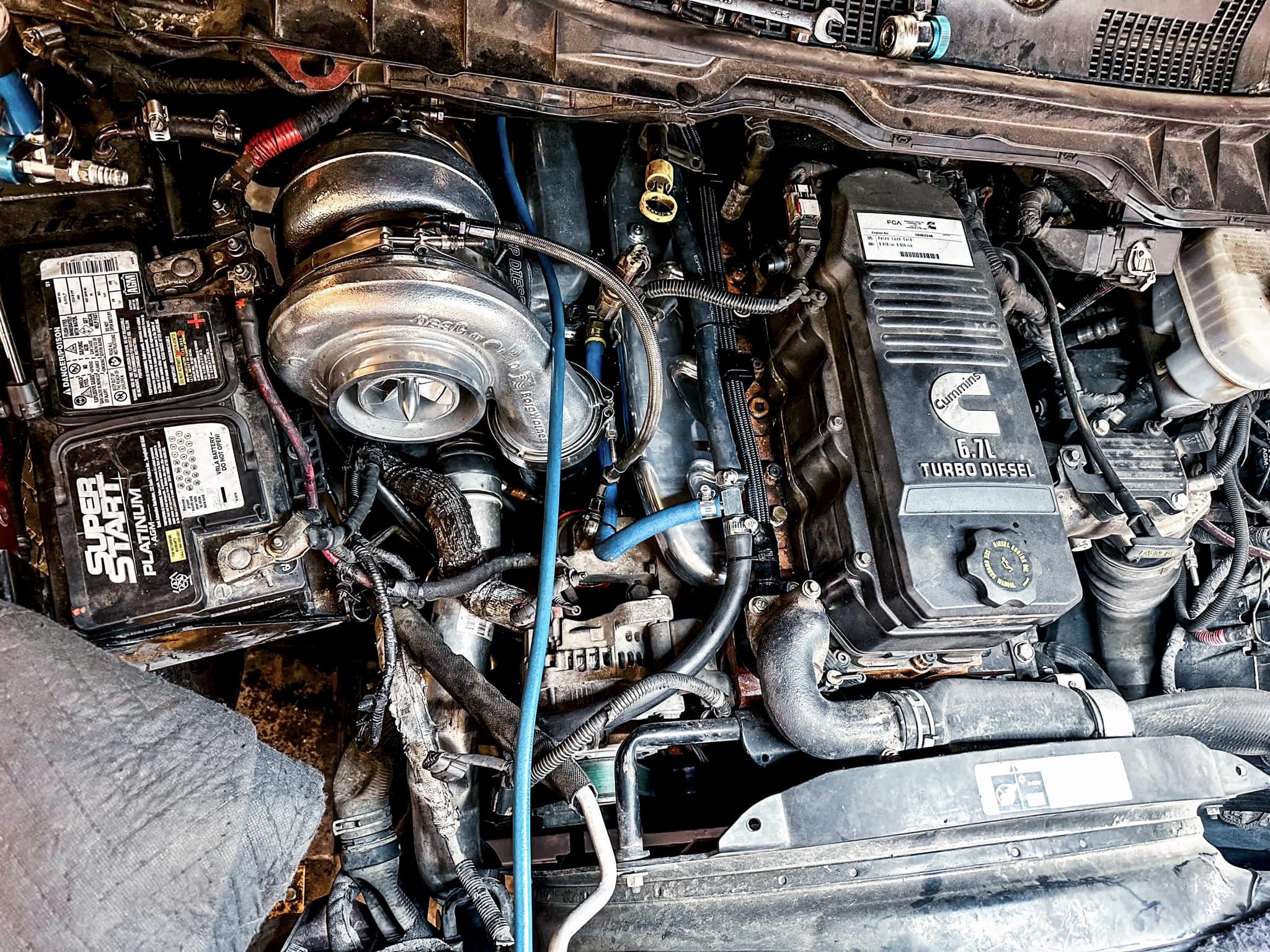
7 Warning Signs Your Fleet’s Preventive Maintenance Intervals Are Too Long
Think your fleet’s maintenance schedule is saving money? These 7 warning signs reveal when preventive maintenance intervals are too long and how delayed service leads to costly breakdowns fast.
Preventive maintenance keeps commercial fleets reliable, efficient, and profitable over the long haul. Once service intervals stretch too far apart, minor mechanical issues quietly accumulate until expensive repairs and unplanned downtime suddenly disrupt daily operations.
Many fleet managers extend maintenance intervals hoping to reduce short-term operating costs. Unfortunately, delayed servicing often increases repair expenses later, especially for heavy-duty trucks operating under demanding hauling conditions throughout the Southeast.
Diesel trucks experience constant stress during long highway routes, stop-and-go traffic, heavy towing, and extended idle periods. Maintenance schedules that fail to match those conditions usually create warning signs long before catastrophic breakdowns happen.
1. Repeat Repairs Keep Happening
Recurring repairs often signal that truck preventive maintenance inspections are missing problems too early in their development. Trucks repeatedly returning for cooling system repairs, injector issues, or brake service usually indicate underlying wear remains unresolved between service appointments.
A fleet replacing the same components repeatedly may not actually have bad parts. Instead, delayed inspections may allow surrounding systems to deteriorate until the original problem keeps returning under heavy operating conditions.
Repeat repairs also create scheduling headaches.
Drivers lose productive hours while trucks cycle through repair bays instead of staying on active routes, generating revenue.
2. Fuel Economy Starts Gradually Dropping
Fuel economy losses rarely happen overnight. Most fleets notice a slow decline across multiple trucks over several months before recognizing that maintenance schedules may no longer support optimal engine efficiency.
Several maintenance-related issues can increase fuel consumption, including:
- Dirty air filters
- Worn injectors
- Restricted airflow
- Poor combustion efficiency
- Dragging brake components
- Underinflated tires
Small efficiency losses across an entire fleet can become extremely expensive annually.
3. Overheating Problems Become More Frequent
Cooling systems endure tremendous strain during heavy-duty trucking operations, especially throughout hot southern climates. Delayed preventive maintenance often allows minor cooling issues to spread into major engine reliability concerns much faster than expected.
Failing components commonly include:
- Fan clutches
- Water pumps
- Radiators
- Coolant hoses
- Thermostats
- Cooling fans
A failing fan clutch may reduce airflow through the radiator, especially during low-speed operation and traffic conditions.
Overheating damage rarely stays isolated to one component. Excessive heat gradually weakens seals, bearings, gaskets, and oil performance throughout the engine.
4. Brake Wear Accelerates Unexpectedly
Heavy-duty air brake systems require routine inspections to maintain safe stopping performance and balanced braking across the fleet. Delayed maintenance intervals often accelerate brake wear before drivers immediately notice performance changes.
Technicians regularly inspect:
- Slack adjusters
- S-cams
- Brake chambers
- Brake shoes
- Return springs
- Air lines
Worn brake components increase stopping distances and place additional stress on connected braking hardware over time.
Brake repairs also become significantly more expensive once excessive wear spreads throughout the entire braking assembly.
5. Roadside Breakdowns Increase
Unexpected roadside breakdowns usually begin with smaller overlooked maintenance issues. Cooling problems, lubrication failures, air leaks, and fuel delivery issues often worsen gradually until trucks suddenly become disabled during active routes.
Roadside failures commonly create:
- Towing costs
- Missed delivery schedules
- Driver downtime
- Emergency labour charges
- Overnight parts shipping
- Customer service disruptions
One breakdown can easily affect several deliveries and scheduling commitments simultaneously.
Reactive roadside repairs almost always cost more than planned preventive maintenance appointments completed under controlled shop conditions.
6. Oil Analysis Shows Rising Contamination
Oil analysis gives fleets valuable insight into internal engine wear before visible symptoms appear. Fleets stretching maintenance intervals excessively often discover contamination problems through routine oil sampling programs.
Oil testing may reveal:
- Metal particles
- Coolant contamination
- Excessive soot
- Fuel dilution
- Bearing wear
Contaminated engine oil loses its ability to lubricate moving components effectively. Increased friction and heat eventually accelerate wear throughout bearings, pistons, camshafts, and crankshaft assemblies inside the diesel engine.
Early oil analysis helps fleets stay proactive instead of waiting for catastrophic engine damage to force expensive repairs.
7. Maintenance Costs Suddenly Drop Too Much
A sudden drop in maintenance spending is not always positive for fleet operations. In some situations, reduced maintenance costs simply mean trucks are skipping inspections and operating longer between required service appointments.
Deferred maintenance creates temporary savings.
Eventually, those savings disappear once fleets begin facing major component failures, increased downtime, and emergency repair situations involving engines, transmissions, cooling systems, or aftertreatment components.
Predictable maintenance expenses usually support healthier long-term fleet operations than reactive repair spending spikes caused by neglected service intervals.
Operating Conditions Should Shape Service Intervals
Manufacturer maintenance schedules provide baseline recommendations for commercial diesel trucks. However, real-world fleet conditions often require more aggressive preventive maintenance planning based on workload and environmental conditions.
Service intervals should reflect:
- Hauling weight
- Idle hours
- Route conditions
- Climate exposure
- Traffic patterns
- Seasonal temperatures
Heavy hauling across North Carolina, South Carolina, and Georgia naturally places additional stress on diesel engines and supporting systems during daily operations.
One fleet’s maintenance schedule may not work effectively for another fleet operating under entirely different conditions.
Preventive Maintenance Supports Long-Term Reliability
Strong preventive maintenance programs improve reliability across every major truck system. Consistent servicing helps fleets reduce downtime, extend equipment lifespan, and maintain more predictable repair budgeting throughout the year.
Preventive maintenance commonly includes inspections involving:
- Cooling systems
- Brake systems
- Suspension components
- Driveline assemblies
- Aftertreatment systems
- Electrical systems
Routine servicing helps technicians identify wear patterns early before they create expensive operational disruptions later.
Fix Your Fleet Maintenance Schedule
Preventive maintenance intervals that are set too long often lead to costly consequences for commercial fleets. Repeat repairs, declining fuel economy, overheating issues, and rising roadside breakdowns usually indicate service schedules need immediate adjustment.
Southeast Fleet Services provides preventive maintenance, diesel diagnostics, and heavy-duty fleet repair services throughout North Carolina, South Carolina, and Georgia for commercial fleets focused on dependable long-term performance. For more information, learn how maintenance schedules reduce tractor-trailer downtime.
Locations & Contact Info
Welcome to Southeast Fleet Services, your premier heavy-duty diesel repair shop in North Carolina, South Carolina, and Georgia. Give us a call today at one of our five locations to set up specialized services and repairs for your heavy-duty vehicles and equipment.